

Choosing the Right Fuel for Efficient Heating
The fuel you use in your wood-burning or pellet stove plays a crucial role in its performance, lifespan and, above all, your safety.
As a professional chimney sweep, I regularly come across problems caused by using the wrong type of fuel.
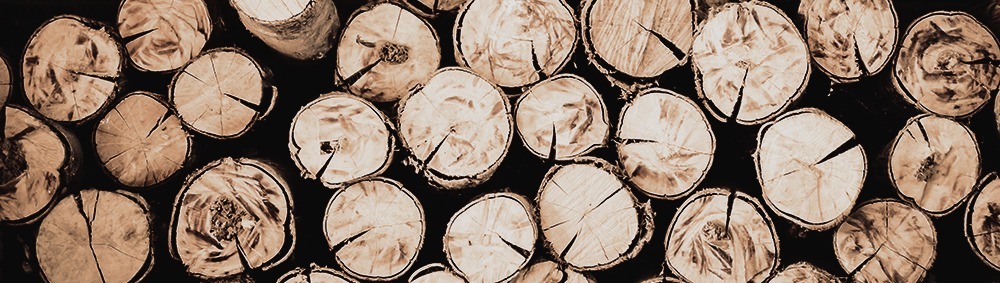
Firewood Logs: Choose Dry, Properly Stored Wood
Firewood is a traditional wood fuel, still widely used in wood-burning stoves and fireplace inserts.
For efficient combustion, make sure you choose the right wood.
My Recommendations:
- Hardwoods such as oak, beech and hornbeam
- Dry wood, with a moisture content below 20%
- Proper storage in a dry, sheltered and well-ventilated area
- Avoid softwoods (pine, fir), as well as treated or painted wood.
Wood that is too damp produces excessive smoke, causes deposits to build up inside the flue and can lead to the formation of flammable tar deposits (creosote), increasing the risk of a chimney fire.

Pellet Stoves Require Uniformly Sized, Certified Fuel.
Check the Following:
- ENplus, DINplus or NF Biocombustibles certification
- Low moisture content
- Minimal dust or visible residue
Poor-quality or improperly stored wood pellets can block your stove's feeding system or lead to incomplete combustion.
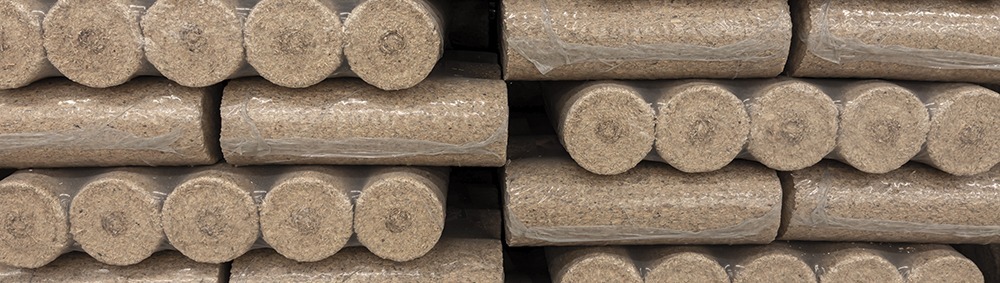
Compressed Wood Logs: Space-Saving and High Heat Output
Made from compressed sawdust, compressed wood logs take up very little storage space and produce intense heat.
Ideal for:
- Use alongside traditional firewood
- Occasional heating
- Homes with limited storage space
Be careful not to overload your stove, as compressed logs produce more concentrated heat than regular firewood logs.

Firelighters: An Often Overlooked Step
Lighting your stove correctly is essential for clean and efficient combustion, yet this step is often overlooked. Many people use newspaper, cardboard or unsuitable chemical products, which can produce harmful fumes or leave deposits inside the flue.
I recommend using natural firelighters, specifically designed for wood-burning stoves. Made from wood wool, vegetable wax or compressed sawdust, they provide quick, odour-free lighting with minimal residue.
This simple choice helps maintain better air quality, reduces soot and tar build-up in your flue, and makes chimney maintenance easier.
Consultez le guide de l’ADEME sur les bons usages du bois de chauffage.
ADEME – How to Heat Your Home Efficiently with Wood
Key Takeaways
What to Avoid at All Costs:
Damp or improperly seasoned wood
Painted, varnished or treated wood
Waste materials, cardboard, plastics or glossy paper
These materials release toxic fumes, cause deposits to build up inside your stove and flue, and can damage your heating system.
For more advice, visit my Maintenance & Safety page.
Professional Chimney Sweep's Advice:
Light your fire using natural firelighters rather than chemical products. Store your firewood in a dry, well-ventilated area, raised off the ground.
Invest in a moisture meter if you cut or store your own firewood. Choose reliable local suppliers who are transparent about the quality of their products.
In Summary
Choosing the right fuel helps you to:
Reduce safety risks
Extend the lifespan of your stove
Optimise your heating costs
Need Advice on Your Current Firewood or Pellets?
I'm here to help you choose the best fuel for your heating system and ensure your flue is properly maintained.
Frequently Asked Questions
What Type of Wood Should I Use in My Wood-Burning Stove?
Use only well-seasoned hardwood (such as oak or beech), with a moisture content below 20%, for clean and efficient combustion.
Can I Burn Pallets or Treated Wood in My Stove?
No. These materials release toxic substances and cause deposits to build up inside the flue, increasing the risk of chimney fires.
Which Wood Pellets Should I Choose?
Choose ENplus or DINplus certified wood pellets. Store them in a dry place to prevent blockages in your stove's feeding system.
Are Firelighters Useful?
Yes, a good natural firelighter makes lighting your fire easier without producing harmful fumes or damaging your stove.
For fireplaces and wood-burning stoves, top-down lighting is recommended. This method improves combustion, produces less smoke and helps reduce soot and tar build-up inside the flue.